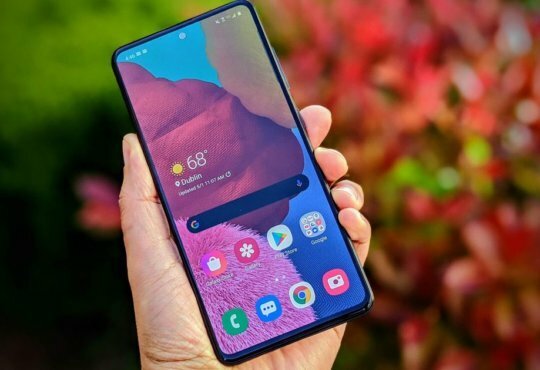
This ‘mobile airbag’ for your smartphone will prevent it from getting damaged

If there is one element at which smartphones are truly precise, it’s having damaged displays when dropped. We’ve all encountered a scenario where we’ve experienced a shattered cellphone screen, and the emotional trauma is real. However, a new invention may save the day for many of us. An engineering scholar in Germany, Philip Frenzel, invented the ‘cell airbag’ to prevent your phone from getting broken when dropped.
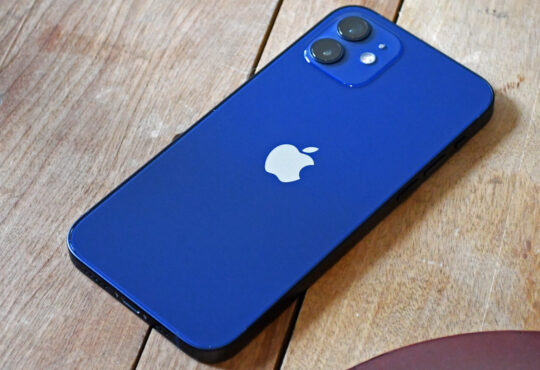
Though the contraption isn’t precisely an ‘airbag.’ The defensive case has steel springs set up when the sensors in the case detect that the phone is in a loose fall. As you may see within the picture above, the springs are installed in all guidelines on the corners of the phone. This way, regardless of how the phone calls, the springs soak up the shock of the fall, permitting the phone to stay successfully ‘airborne.’ After deployment, the springs can be pushed back into the region, making the case reusable. The idea is straightforward but effective in its method.
The concept of a cellular airbag isn’t new, with Amazon having secured a patent for a design again in 2012. However, that specific layout virtually ensured air was expelled from the product. Considering that we haven’t seen any proof of a final product along the one’s lines six years later, it’s safe to mention that improvement has been shelved.
WATCH: Oppo Find X First Look
This particular implementation also has its patent secured, and the engineering student may be launching a Kickstarter marketing campaign in July to get his idea funded and turned into an actual product. While the renders display the contraption used with an iPhone, it isn’t certain if this protective case might support other smartphones.
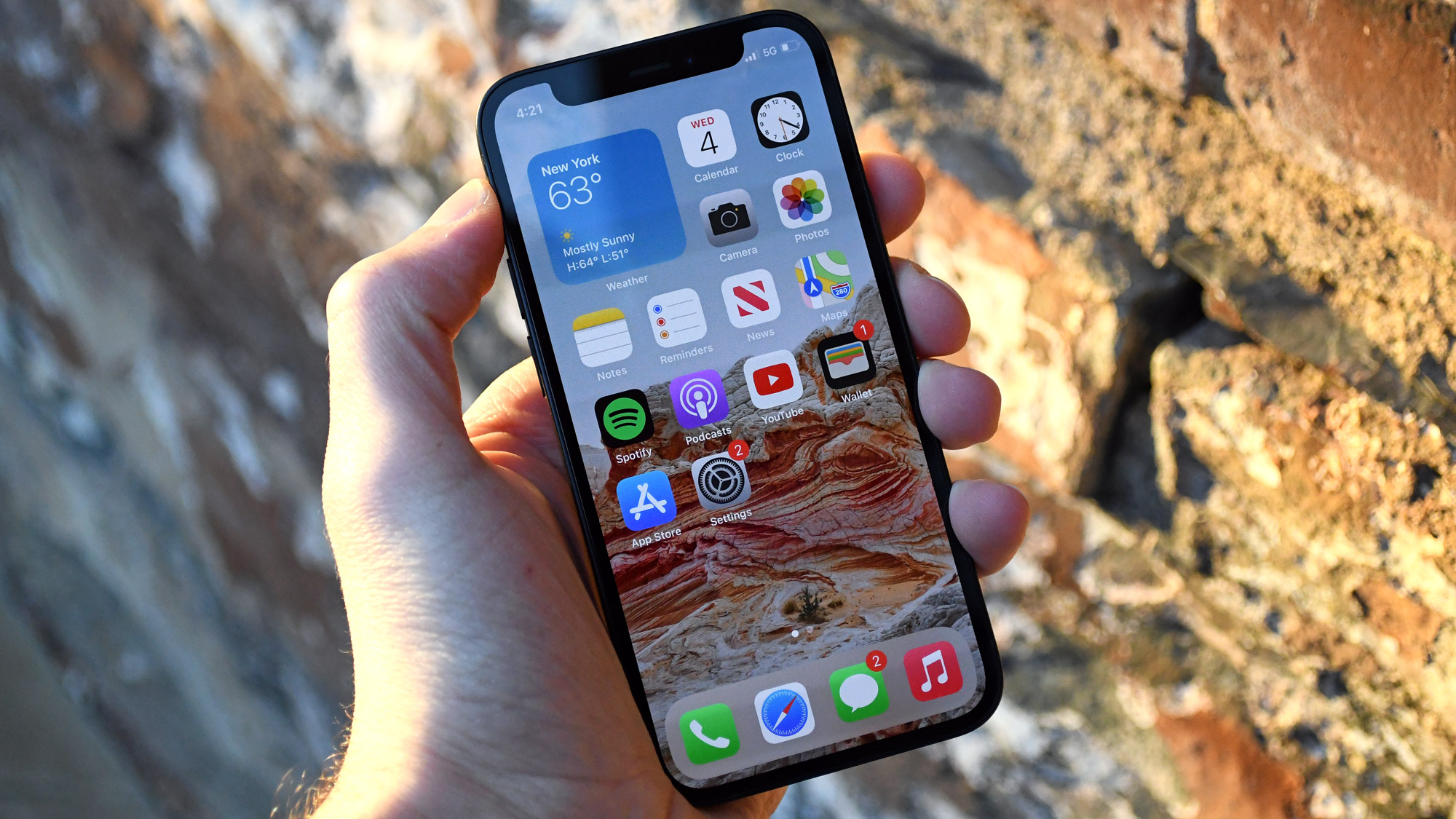
The cellular revolution is nothing new—we have known for the last years that cellular net usage has increased, with Google’s announcement that it would put into effect a default cellular index in 2018, due to the remaining confirmation of this sea change. What is new is the role smartphones now play in eCommerce, with buyers using their gadgets at all tiers of the purchase journey, from studies and evaluation right through to testing out.
Black Friday and Cyber Monday showed the unassailable reality, with Adobe reporting a record 39. Nine internet visitors to retail websites originated on smartphones on Cyber Monday, with a bumper of £1. Thirteen billion sales are being transacted on cell devices – a big 12% higher than in preceding years.
Popular gadgets
As you’d expect from the marketplace chief, Apple devices lead the way in smartphone use for e-commerce. The Cyber Monday figures show that Apple customers additionally spent more on their smartphones than their Android counterparts, suggesting that e-commerce shops are probably best served optimizing websites and marketing campaigns for those with iPhones.
The number of human beings accessing eCommerce websites from their telephone
eMarketer calculates that over half of all UK digital shoppers transact via a smartphone, making eCommerce a sizeable part of all online income. The document suggests that mCommerce’s money is owed for as much as £35.31 billion in revenue. This range is likewise predicted to increase in demand as clients become more secure when transacting from their cellphones and mobile payment alternatives become extra sophisticated. By 2021, mCommerce is expected to be most of the people source of retail income, with forecasts suggesting that it’ll be responsible for fifty-six % of general retail mCommerce income.
Conversions from telephone visits
Despite the boom in telephone use and the speedy increase of mCommerce, smartphone conversion prices can nevertheless be difficult to pinpoint and, in a few industries, are not as high as expected. There is a similar reason for this. However, purchasers are omnichannel creatures with the aid of nature, and there is a long hooked-up pattern of using more than one display.
Mobile conversion costs are lower than those recorded from laptop gadgets, with Marketing Land figures suggesting that smartphones are liable for just 20% of conversions. This figure seems especially low when you remember that mobiles reign supreme regarding real screen time. What’s crucial to recall is the role smartphones play within the discovery and research procedure, fuelling the remaining desktop or tablet conversion.
Smartphones are mainly useful in micro-moments, and records suggest that optimizing key aspects of the cellular experience can result in conversion lifts. Focusing on improving web page load speed, for example, is important to retaining smartphone customers engaged, even as responsive design factors, which include large buttons, remove much of the friction that forestalls cellular conversions.
The cellular revolution is nothing new—we have known for the last years that cellular net usage has increased, with Google’s announcement that it would put into effect a default cellular index in 2018, due to the remaining confirmation of this sea change. What is new is the role smartphones now play in eCommerce, with buyers using their gadgets at all tiers of the purchase journey, from studies and evaluation right through to testing.
Black Friday and Cyber Monday showed the unassailable reality, with Adobe reporting a record 39. Nine eCommerce websites from their telephone. As you’d expect from the marketplace chief, Apple devices lead the way in smartphone use for e-commerce. The Cyber Monday figures display that Apple customers spent more on their smartphones than their Android counterparts, suggesting that e-commerce shops are probably quality-focused, optimizing websites and marketing campaigns for those with iPhones.A is a