Apple made a huge splash at WWDC this year when it announced that it might be letting developers port their iOS programs over to the Mac sometime next year and that Apple had already started the process by bringing over the iOS versions of the Home, Stocks, News, and Voice Memo apps to macOS 10.14 Mojave.
The mission — rumored to be codenamed Marzipan — is still in its early stages, and Apple isn’t planning to offer it to developers until 2019. And there’s already an honest quantity of misunderstanding and outcry over what Apple is doing here: whether or no longer it’ll see the demise of the traditional Mac app as we understand it, precisely how those new varieties of apps will include paintings, whether or not they’ll’ feel like conventional “native” Mac apps, or even whether or not or no longer it’s’ truthful to call those apps ” ports.” So here’s what’s simply going on.
First, to recognize what Apple is doing, we want to understand why we’re even having this dialogue inside the first vicinity. Apple wants to simplify cellular developers to get something like their cell apps on the Mac. Why? Well, for one thing, many more developers are making iOS apps than Mac apps right now. The Mac app ecosystem isn’t always the problem; however, compared to what has been happening with the iPhone for a few years, it, in reality, feels a touch stale. Making it simpler to transport iOS apps to the Mac would surely assist.
As Apple developer Guilherme Rambo wrote in a chunk some years back, currently some developers are often forced to pick between developing and supporting an iOS app or a Mac app — and in a world wherein there is a long way more iOS customers, the Mac frequently misses out on top-notch software. And getting small, mobile-first apps on the computing device seems to be wildly handy. Using Android on a Chromebook, I can say that having a lightweight app for lightweight obligations like scrolling Instagram or firing off a to-do list is undoubtedly terrific. Windows has been looking to do something similar with its frameworks (to limited, however increasing achievement). Android apps on ChromeOS are out of beta, although they want to feature things like windowing help.
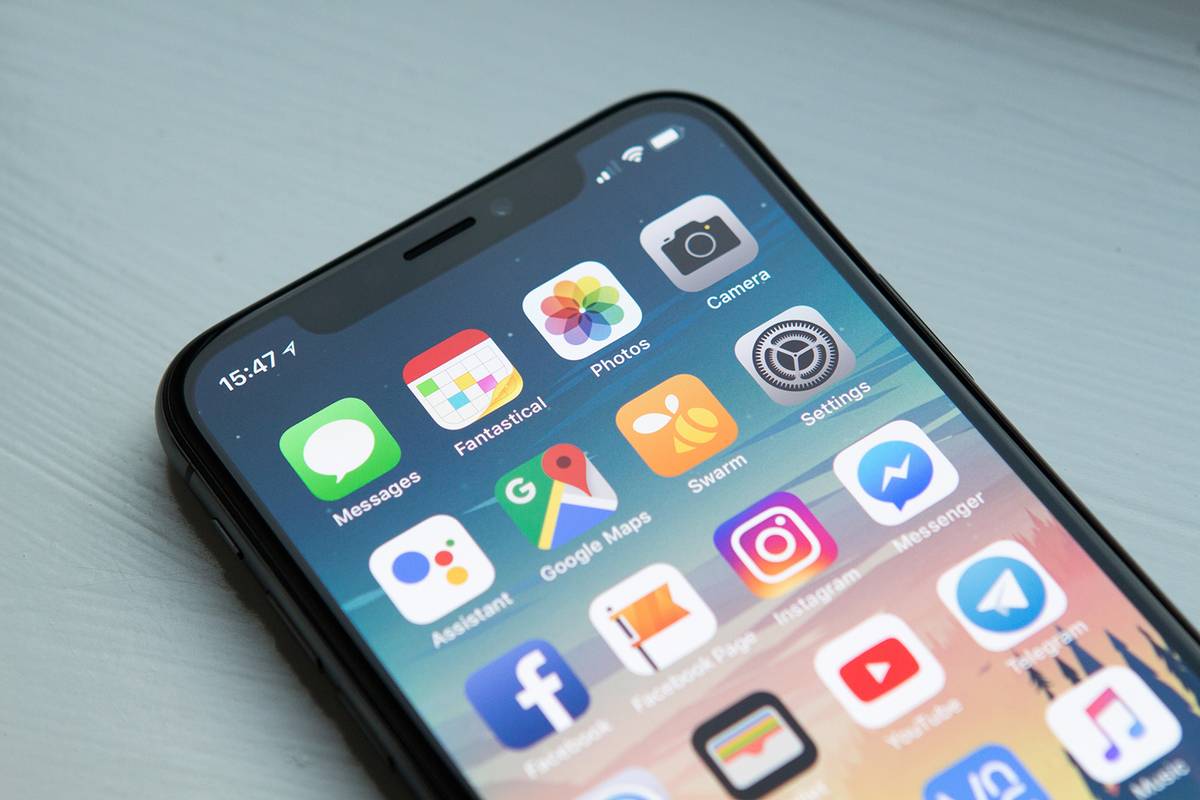
The trick is getting the mobile apps ported (or any word you want to apply) over from mobile to the computing device. Apple’s solution is, in many ways, the most exciting take on this problem. Let’s explore the difference between Mac and iOS apps. After all, at first glance, they seem quite similar: they use identical base code languages, like Objective-C or Apple’s persona, and plenty of the underlying APIs are the same.
So, what’s the difference? It seems obvious to boil down to this, but it’s the consumer’s interface. Mac apps work with a keyboard and a mouse, while iOS apps are designed for use with a touchscreen. Simply moving iPhone apps over to the Mac in a manner that’s much like the console’s first Google Android on ChromeOS isn’t always in Apple’s best interest. At all. So, Apple’s solution gives developers the gear they need to make iOS apps more Mac-like personal interfaces.
Until now, many Mac packages were based on a software program framework known as AppKit, which gives all of the personal interface factors that make a Mac app what it is worth: all the home windows, menus, buttons, scrollers, and text fields, along with all of the excessive-level software program-aspect matters your laptop wishes to display programs. AppKit dates returned to the Nineteen Eighties, descended from the original NeXTSTEP Application Kit. (For an extra designated history, here’s an awesome one to start.)
Pre-Marzipan: macOS apps are AppKit-based, and iOS apps are UIKit
When Apple evolved iOS, it created a new software framework for displaying applications called UIKit. It was designed for the smaller monitors and greater confined contact controls that iOS devices offer. But that means that a large bite of the way iOS apps are displayed on gadgets (down to how colors are shown, as talked about by John Gruber right here) uses one-of-a-kind fundamental code frameworks from Mac apps. Adding to that complexity, AppKit is designed for mouse and keyboard inputs, while UIKit is designed for touch.
With Marzipan, Apple is looking to deliver the UIKit framework to Macs, which means that developers will — in theory— be able to bring over a version in their packages to run on Macs while not having to rewrite them from scratch for the AppKit person interface completely. (Additionally, by including UIKit on macOS as a local framework, the ported apps will run natively, in preference to in a simulator or emulator). Both will live side by side. Here, take a look at a chart! Note that Apple is including UIKit, which no longer replaces the traditional AppKit.
There’s already a possibility for this porting in Apple’s environment — iPad and TV apps for Apple TV already work on a similar foundation. They’re construing UIKit and sharing the identification code as an iPhone version. However, developers can work more without difficulty, porting them from one platform to another, and every platform nonetheless has its interface with its issues, layout, and controls. Just like you don’t assume an application to, in reality, be a large iPhone app or an Apple TV app to paintings like an iPad app with a faraway manager, Marzipan packages ported to the Mac — once more, in concept — might have their person interfaces and designs, and layouts fine for the laptop.
That’s the way. However, in exercise, having tried out some of Apple’s new apps, such as Apple’s macOS Mojave, I noticed that these apps seem a lot like iPad apps. You can’t tap them, can’t you? However, the format and the controls sometimes make it feel similar to the iPad. You can resize the windows (unlike Android apps on ChromeOS). However, the redrawing of the window contents is occasionally a little sluggish. There’s no classic Mac feel to these apps.
No app is better than the Home app for controlling all your smart home devices. It looks like a straight port, with huge, massive buttons for the whole lot, and it seems like you need to tap it. But you can’t faucet it because Apple essentially believes touchscreens on laptops are a Bad Idea. As we do nearly every 12 months, we asked Apple why that’s the casethat’seanswer hasn’t been modified: Apple believes touchscreens on laptops are uncomfortable to apply, and most user studies indicate that even customers with touchscreens barely use them.
But don’t come away from this wondering that the give-up result will be a gaggle of apps that appear and sense much like iPad apps on the Mac. These few apps Apple has released are just the primary reductions. Mareduction is at least a year away from being had. Developers say it’s an ongoing process. Over the next few years, we assume that Apple will expand the frameworks and APIs to make these apps feel a bit more local to the Mac. And as talked about by way of Steve Troughton-Smith, poking across the rudimentary Marzipan support inside the Mojave developer beta indicates Apple is already beginning to do just that: adding interface elements, just like the traditional Mac app sidebar to UIKit, that permit developers to make iOS apps sense greater at domestic on macOS.