

Did you fail to assume scientists could allow IBM’s “international’s smallest pc” boast to move unchallenged? Sure enough, the University of Michigan has produced a temperature-sensing ‘computer’ measuring 0.04 cubic millimeters, or approximately a tenth the scale of IBM’s former document setter. It’s so small that one grain of rice appears enormous in contrast — and it’s so touchy that its transmission LED may want to instigate currents in its circuits. The size boundaries pressured researchers to get creative to lessen the effect of light. They switched from diodes to switched capacitors and had to fight the relative boom in electrical noise from jogging on a device that uses so little electricity.
The result is a sensor that can measure changes in tiny areas, like a group of cells in your brain. Scientists have suspected that tumors are barely hotter than healthy tissue. However, it hasn’t been easy to verify this until now. The minuscule device could each test this claim and, if it proves genuine, gauge the effectiveness of cancer treatments. The team also envisions this in diagnosing glaucoma from the eye’s interior, revealing biochemical state and genes, and even observing tiny snails.
Why the air rates around the computer, then? The tiny size is leading the University to question what a computer is. This does have a full-fledged processor (based on an ARM Cortex-M0+ layout), but it loses all facts when it loses power, similar to IBM’s device. That is probably a deal-breaker for those who count on a laptop to be greater than the sum of its parts. Still, this pushes the boundaries of computing power and suggests that almost invisible computing can be highly commonplace earlier than long ago.
Computer-based training, or CBT, is now extensively followed in education and corporate education to gain knowledge of any issue, from math and records to sales talent, customer support, and mission control. However, the driving force in the back of the adulthood of the CBT industry has been the aviation enterprise. In the 1980s, computer-based training and simulation were used to pilot school applications to lessen the cost of schooling and avoid the safety problems in online education. The Aviation Industry Computer-Based Training Committee (AICC), a worldwide affiliation of era-based total training professionals, oversees and develops recommendations for the aviation industry within CBT’s design, implementation, delivery, and evaluation.
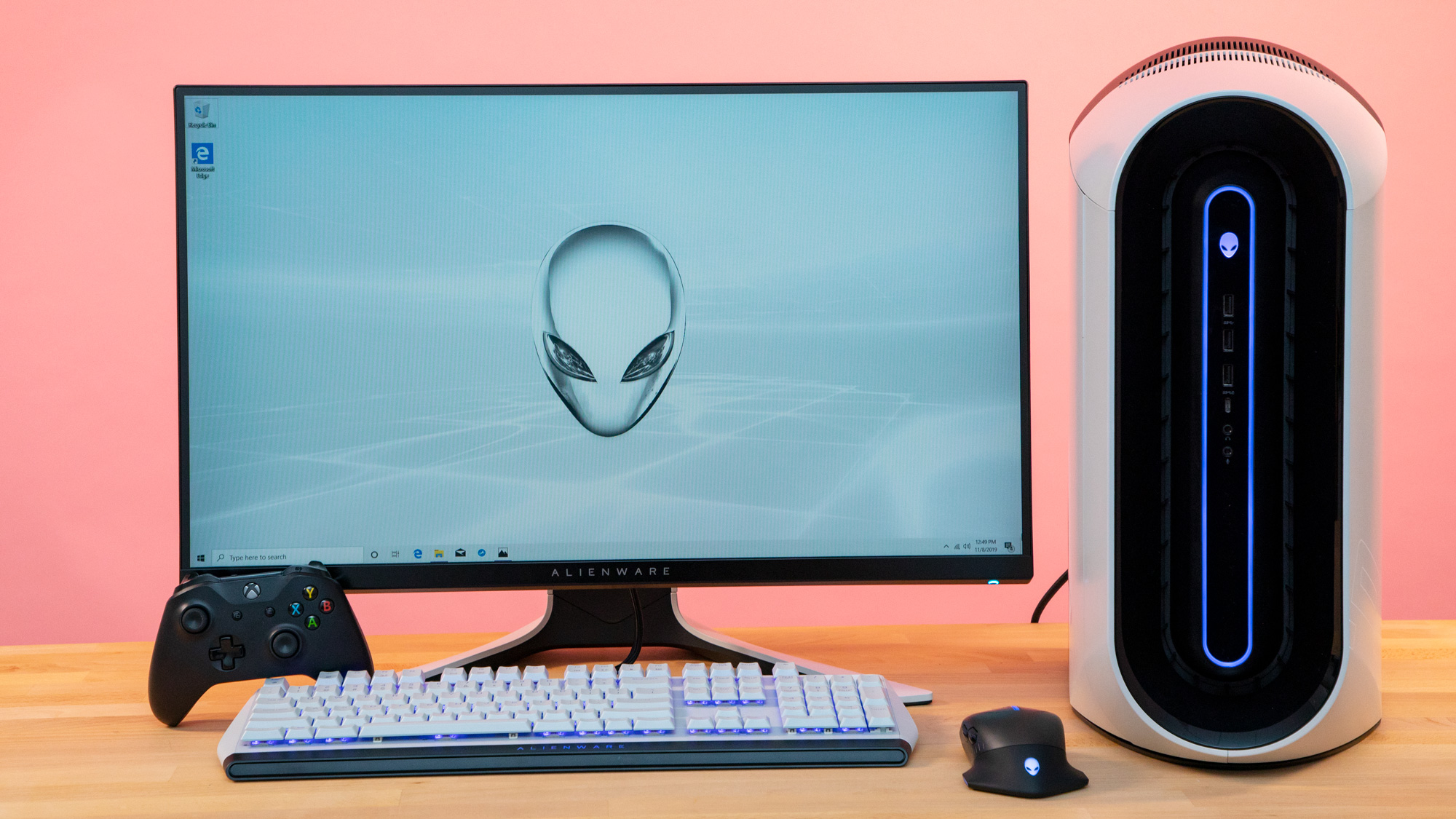
In the early nineties, CBT entered educational institutes and corporate marketplaces. These educational manuals have been text-based and have frequently taught consumers hofollowinish unique instructions. Unfortunately, computers were still progressing, making it tough to fit in school rooms. At the time, instructors no longer agreed with using strictly, primarily based CBT applications. While this becomes a high-quality manner to research topics without being rushed, the technology falls short. It wasn’t until the later years that complete multimedia, which covered audio and video, was incorporated into those classes. From there, computer-based education was given extra popularity.
As the generation progressed, laptop-based total schooling guides also increased. By the late ’90s, CBT became full of video, streaming audio, and various topics. This form of computer-primarily based schooling was picked up by global universities. This was when online courses began to take full shape. Universities provided online lessons to folks who couldn’t attend actual classes. Filled with video lectures and exercise exams, college students are capable of working at their own pace. Although this gave the impression of a tough concept, students loved the discovery. It no longer best allowed the already hired to get more education; however, it helped people with learning disabilities paint on their very own time.
CBT has long gone a long way beyond the minds of college students. Amazingly, it has additionally reached aviation education. Computer-based education now allows capability pilots to use simulated airfare and publications to help them understand their worries. Because many people choose to gain knowledge in a quiet environment to make evaluations frequently, CBT has grown to be extensively famous amongst aviation colleges. These pc programs additionally train aviation elements records and other requirements. As a result, pilots can fly effortlessly with their David Clark headsets, understanding that they understand the whole thing about aircraft supplies.
Although CBT remains debatable, most universities and aviation colleges have adopted the brand new shape of study. With students having precise studying disabilities and difficult schedules, this e-studying enables all people to get a wonderful education. It is viable to attain more when convenience and flexibility are a gift. You know not to worry about getting to campus on time or juggling three jobs with various courses. Even pilots can dream of educational freedom if they spend extra hours analyzing modern-day aviation subjects at home. For most people, computer-based training has allowed society to open their minds to schooling. Students must not worry about getting in the back. CBT makes it viable, regardless of what level you are at.
Natalie Aranda writes on computers and era. CBT has long gone some distance beyond the minds of university college students. Amazingly, it has additionally reached aviation education. Due to the reality that many people decide to study in quiet surroundings to review regularly, CBT has become extensively popular among aviation schools. Computer-based schooling now allows able pilots to apply simulated airfare and courses designed to help them recognize the standards concerned. These PC applications also provide information on aviation elements and different requirements. As a result, pilots can fly without problems with their David Clark headsets, understanding that they recognize everything about aircraft resources.


