The start of the last decade has become the age of the smartphone. All our non-public and professional affairs have become compressed into one single black square with it. But with this hyper-connectivity comes our fragmented interest spans, the fear of missing out, and the eventual burnout from statistics overload. Like the mind, the phone is a fantastic servant but a terrible grasp. Fortunately, one could tweak several cell phone settings to achieve the desired results. (Image: Reuters)
Prioritize notifications from human interactions best: According to a Vox video, app builders design their notifications in this way to imitate the experience of being contacted by a man or woman. This is one of the reasons why it becomes almost a reflex action to check one’s notifications. One can flip off notifications from all such apps by swiping down on the home display, lengthy pressing at the undesirable notification, and denying permission to the relevant app. (Image: Reuters)
2/7
Prioritize notifications from human interactions best: According to a Vox video, app builders design their notifications in this kind of way to imitate the enjoyment of being contacted by an individual. This is one of the reasons why it turns into almost a reflex action to check one’s notifications. One can turn off notifications from all such apps with the aid of swiping down on the home display, lengthy urgent on the unwanted notification, and denying permission to the applicable app. (Image: Reuters)
Consider turning your coloration settings to monochrome: The emblems of numerous apps like Instagram have transitioned to warmer color schemes. This is because the human eye is attracted to colors toward the red end of the spectrum. This is also why notification bubbles are painted pink, which creates that attention-grabbing sense of urgency. Tuning your telephone to a black-and-white setup efficiently neutralizes that knee-jerk response to the notification stimuli, giving greater manipulation over how one could use one’s cell phone. (Image: Reuters)
3/7
Consider turning your shade settings to monochrome: The emblems of numerous apps like Instagram have transitioned to warmer coloration schemes. This is because the human eye is attracted to colors towards the crimson end of the spectrum. This is also the reason why notification bubbles are painted purple, which creates that interest-grabbing experience of urgency. Tuning your phone to a black-and-white setup efficiently neutralizes that knee-jerk response to the notification stimuli, giving greater management over how one could use one’s telephone. (Image: Reuters)
Avoid apps that load content through infinite scroll: We rely more on visible cues than internal cues to prevent consumption. This approach that apps and structures offer a frictionless experience, like ad infinitum scrolling through tweets and videos, will subvert our sense of managing, often ending in bingeing. If we feel that we’re spending too much time scrolling on an unmarried app, that is a red flag, which must make us reconsider our usage of that app (Image: Reuters)
4/7
Avoid apps that load content through endless scroll: We depend more on visual cues than inner cues to stop consumption. This approach that apps and systems offer a frictionless revel in, like ad infinitum scrolling through tweets and films, will subvert our sense of control, often ending in bingeing. If we experience that we’re spending an excessive amount of time scrolling on an unmarried app, that may be a red flag, which has to mmakesus reconsider our usage of that app (Image: Reuters)
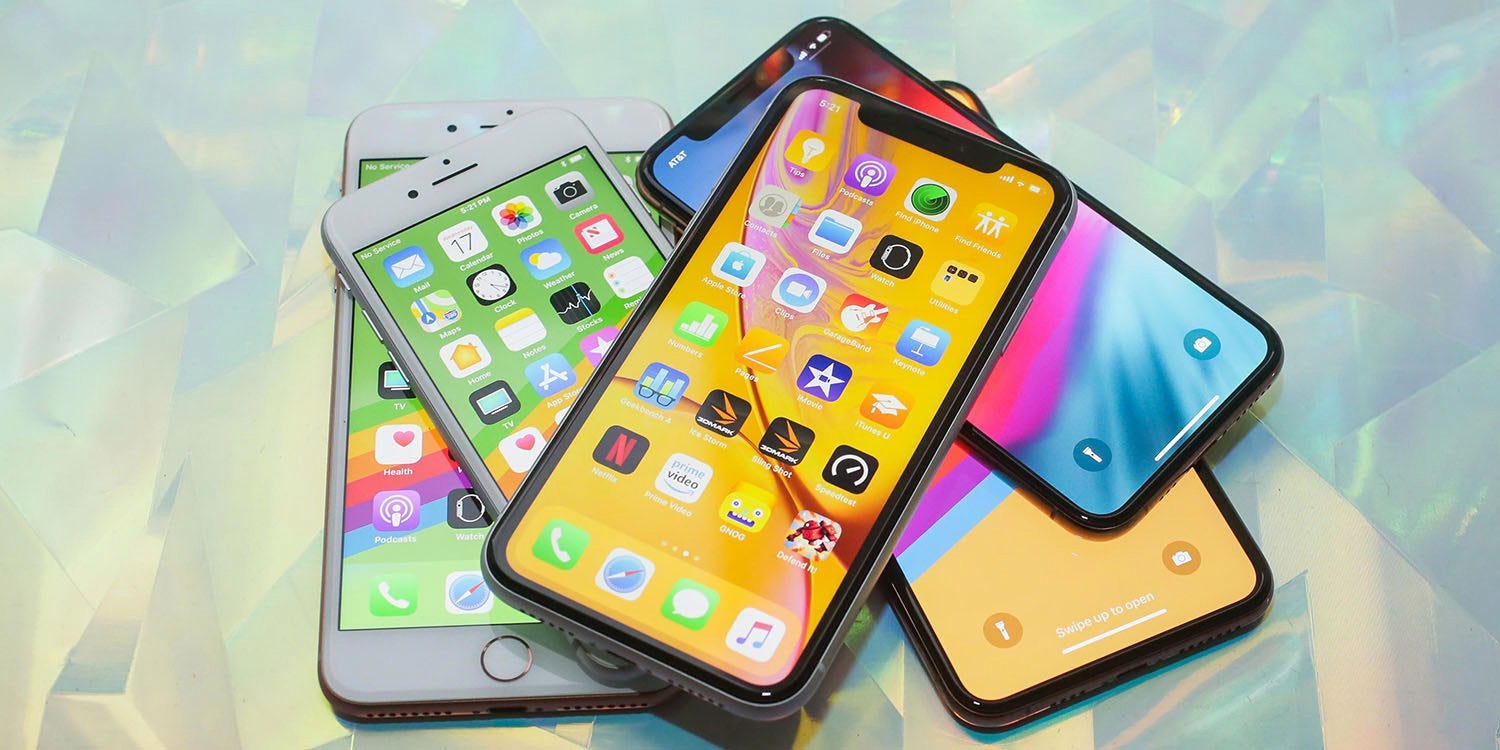
Keep a minimal domestic screen: Restricting the wide variety of apps we maintain on our domestic display to simply the important ones will reduce our temptation to spend extended time on them. Keeping apps like the calendar app, a word-taking app, or a trip-hailing app will keep us focused on our vital obligations. (Image: Getty Images)
5/7
Keep a minimum home screen: Restricting the range of apps that we keep on our home screen to simplify the critical ones will lessen our temptation to spend extended time on them. Keeping apps like the calendar app, a word-taking app, or an experience-hailing app will keep us centered on our crucial responsibilities. (Image: Getty Images)
Use the Do Not Disturb feature: For a whole detox, Android phones with version 6 or better have a Do Not Disturb feature, which helps track useless notifications from apps and make contact calls. One can enter it on the phone’s brief shortcut panel by swiping it on the home screen. The function is customizable to cater to your downtime needs. The iPhone also sports a comparable feature. (Image: Getty photos)
6/7
Use the Do Not Disturb function: For a whole detox, Android telephones with Version 6 or higher have a Do Not Disturb feature, which allows you to tune out needless notifications from apps and contact calls. One can get admission to the smartphone’s quick shortcut panel by swiping it down on the home display screen. The characteristic is customizable to cater to your downtime wishes. The iPhone also has similar sports activities. (Image: Getty Pictures)
Place your emails in one area: Switching among many apps creates a small cognitive load, regardless of how small. This builds as much as a certain amount of infection, even frustration. It enables the installation of all our emails through a single app — Gmail can be synchronized with more than one email address, making things much more convenient. (Image: Getty Images)
7/7
Place your emails in a single region: Switching among many apps creates a small amount of cognitive load, no matter how small. This builds as much as a positive amount of infection, even frustration. It allows us to set up all our emails to be received through an unmarried app — Gmail may be synchronized with more than one email address, making things much more handy. (Image: Getty Images)